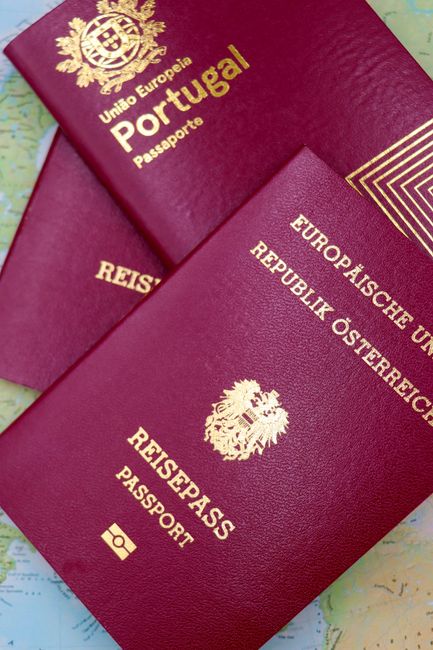
Too Many Passport Stamps? Why Frequent Travel Can Get You Stopped at the Border

Too Many Passport Stamps? Why Frequent Travel Can Get You Stopped at the Border
Border agents don't care how "cultured" you are. They care about one thing: Are you living here illegally?
A passport full of stamps isn’t a badge of honor—it’s a risk signal. If you’ve been hopping across multiple countries in a short period, you may start to look less like a tourist and more like an unofficial resident.
Here is why high-frequency travel patterns are flagging you in 2026 and how to handle the "hot seat" without getting denied entry.
The "Visa Run" is Dead (and Dangerous)
The biggest red flag for officers is the "visa run"—exiting a country for a day or two just to reset a tourist visa. This used to be standard practice in Southeast Asia and parts of Europe. It doesn't work effectively anymore.
In 2026, systems are digital. The European Union's Entry/Exit System (EES) automatically calculates your time in the Schengen Zone. It doesn't matter if you have a stamp or not; the database adds up every day you've spent across all member states. If you hit 90 days, leaving for a weekend in London won't reset your clock. You will be flagged immediately upon return.
The Limit: Thailand, for example, strictly limits land border entries to two per calendar year for visa-exempt nationals to prevent this exact behavior.
The Question They’ll Always Ask: “How are you funding this?”
If you have been traveling for 12 months straight, the officer's logic is simple: Rich people have jobs to get back to. Unemployed people run out of money.
If you don't fit either category, they assume you are working remotely (illegally) while on a tourist visa. “Digital nomading” on a tourist visa is technically illegal in most countries, including the UK, the US, and the Schengen Zone, unless you hold a specific visa that allows remote work.
When they see rapid country-hopping, they suspect you are earning dollars or euros while bypassing local tax laws.
How to Prove You Are a Bona Fide Tourist
You can still travel extensively. You just need to prove your intent. Have these three things physically printed out or saved offline before you approach the desk:
- Proof of "Strong Ties": This is the golden ticket. Show a lease agreement, a letter from an employer expecting you back on a specific date, or proof of property ownership in your home country.
- Solvency Evidence: Bank statements showing sufficient savings to cover your entire trip without working. The US CBP often looks for access to roughly $3,000–$5,000 for a multi-month stay, though amounts vary by discretion.
- The Exit Strategy: A confirmed outbound flight to a country where you have the right of residence. A generic "onward ticket" to a third country is often viewed with skepticism if you have a history of hopping.
Next Steps
Check your passport right now. If you have back-to-back entries for the same region (e.g., Thailand-Laos-Thailand or France-Italy-Spain-France) spanning months:
- Stop the hop: Return to your home country for a "reset" period of at least 3-6 months.
- Get the right visa: Apply for a Digital Nomad Visa (available in over 60 countries as of 2026) if you intend to work.
- Clean up your digital trail: Ensure you aren't telling officers you are "visiting friends" while your LinkedIn says "Working remotely from Bali." They can and do check phones.
If your travel history looks anything like this, it’s worth thinking through how it might appear from an officer’s perspective—not just your own.
Many travelers only realize the risks after being questioned at the border, especially when their situation doesn’t fit the “typical tourist” profile. Seeing how similar cases are handled can help you avoid that position altogether.
Verified Sources
- European Commission. "EES - Entry/Exit System." Home Affairs. 2026. Official EES Guidelines.
- Royal Thai Embassy. "Visa Exemption Scheme & Land Border Restrictions." 2026. Thai E-Visa Official.
- U.S. Customs and Border Protection. "Validating Visitor Status." CBP Information Center. 2026. CBP Visitor Info.