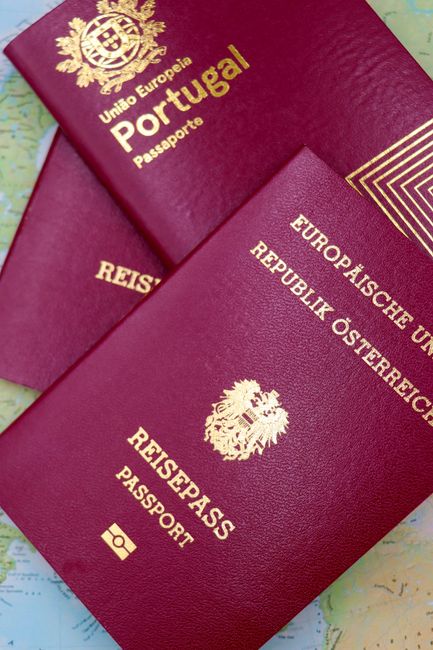
What Visa Officers Actually Check on Your First Schengen Application
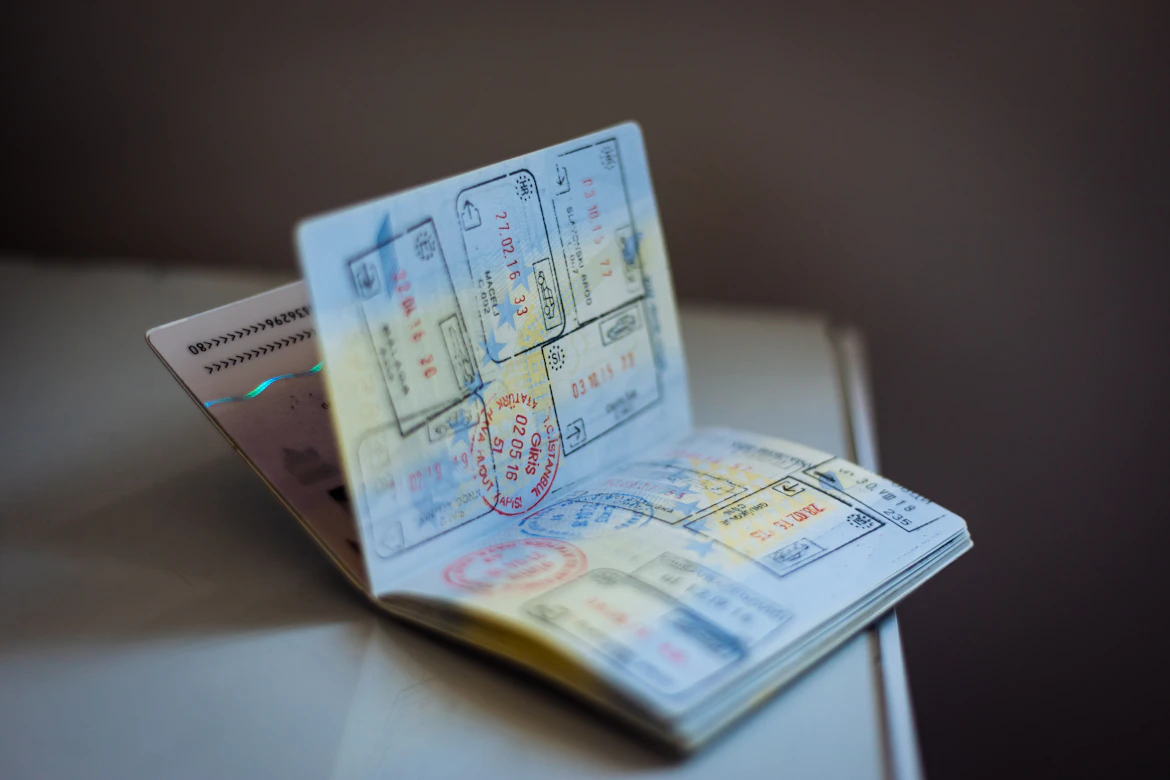
What Visa Officers Actually Check on Your First Schengen Application
- The Truth: Lack of travel history is rarely the reason for rejection; lack of ties to home is.
- The Cost: Expect to pay €90 for the application fee in 2026, excluding service charges.
- The Timeline: Apply at least 45 days before departure. The 15-day processing window is optimistic; reality often lags.
A blank passport is not a red flag. It’s just a blank canvas. Visa officers aren't looking for a seasoned globetrotter; they are performing a risk assessment on a single question: "Will this person go back home?"
If this is your first time dealing with the Schengen bureaucracy, ignore the advice from random travel forums. The 2026 protocols are strict, digital-first, and data-driven. We’re cutting through the noise to get your visa approved.
1. The "Main Destination" Trap
This is where most first-timers fail before the interview starts. You cannot pick an embassy just because they have open appointment slots.
The Schengen Visa Code (Article 5) is explicit. You must apply at the consulate of the country where you will spend the most days.
Example:
- 3 days in France
- 5 days in Italy (Apply here)
If the duration is equal (e.g., 4 days Paris, 4 days Rome), priority goes to the point of entry. Do not try to "shop" for easier visas. With the Visa Information System (VIS) fully integrated, authorities share data. If you apply to France but fly and stay mostly in Germany, you risk cancellation at the border.
2. The "Strong Ties" Argument
The officer doesn’t know you. They only know your paperwork. To prove you won't overstay your visa, you need to demonstrate "Strong Ties" to your home country.
This is the most critical part of your dossier. Submit these documents:
- Employment: A No Objection Certificate (NOC) from your employer stating your role, salary, and—crucially—that your leave is approved and you are expected back on a specific date.
- Assets: Property deeds, vehicle registration, or long-term investment proofs. These scream "stability."
- Family: Marriage certificates or birth certificates of children.
3. Your Bank Statements Tell a Story
A high balance means nothing if it appeared yesterday. We call this "funds stuffing," and officers hate it.
They look for financial subsistence over time. Submit 3 to 6 months of bank statements. They want to see a regular salary coming in and normal daily spending going out. If you borrow $5,000 from a friend to inflate your balance the week before your appointment, you will likely be rejected. Consistency beats volume.
The 2026 Requirement: Ensure you have roughly €100 per day of travel available, though this varies slightly by member state (e.g., Spain requires approx €113/day).
4. The EU Digital Visa Transition (2026 Context)
By 2026, the European Commission's push for digitalization has moved most of the process online. You likely won't be sticking a physical sticker in your passport anymore; verify if your destination acts under the EU VDS (Visa Digital System).
Even with digital uploads, the requirement for biometrics remains. If it is your first time, you must physically go to the Visa Application Center (VAC) to provide 10 fingerprints and a digital photo. These remain valid for 59 months.
5. Mandatory Insurance
You cannot enter the Schengen zone without it. Your policy must cover:
- Minimum coverage of €30,000.
- Medical emergencies and repatriation.
- Valid across all 29 Schengen member states (not just the one you are visiting).
Next Steps
- Book your appointment now. Slots in 2026 fill up 2-3 months in advance during summer.
- Audit your bank statements. Highlight your salary credits.
- Write a cover letter. Keep it brief. Explain why you are visiting and exactly when you are leaving.