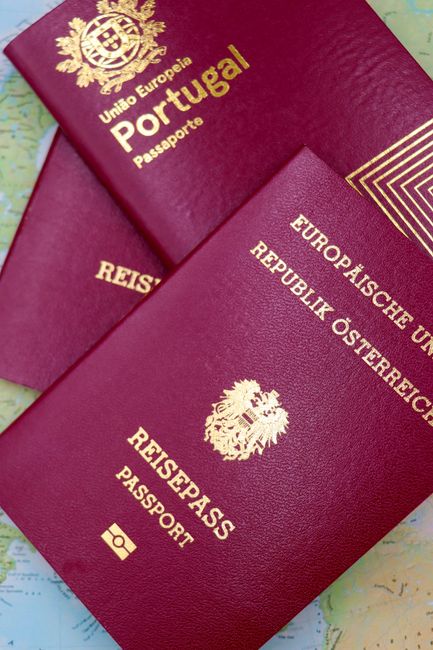
What Visa Officers Actually See When They Open a Fresh, Empty Passport

What Visa Officers Actually See When They Open a Fresh, Empty Passport
TL;DR: You can't just "request" a multiple-entry visa; you earn it. As of 2026, major jurisdictions like the Schengen Zone and the UK use a strict "waterfall" system based on your travel history. First-timers get single entries. Seasoned travellers with three lawful trips in two years get the multi-year stamps.
You want the freedom to book a flight whenever you want. The visa officer just wants to make sure you won’t overstay. That is the disconnect.
Here is the hard truth: checking the "Multiple Entry" box on your application form implies intent, not eligibility. The officer ignores your checkbox if your history doesn't back it up. If you have a fresh passport with zero stamps, asking for a 5-year multiple-entry visa often signals that you don't understand the rules. It can even hurt your credibility.
The "Waterfall" Mechanism
In 2026, the standard for multiple-entry visas—specifically for the Schengen Area (Europe)—follows a rigid, codified structure known as the "Cascade Rules." This isn't a secret; it’s written directly into the Visa Code.
Here is how it works practically:
- Step 1: You must lawfully use three single-entry visas within a two-year period.
- Step 2: Once Step 1 is met, you qualify for a 1-year multiple-entry visa.
- Step 3: If you use that 1-year visa correctly, your next renewal grants you a 2-year multiple-entry visa.
- Step 4: Finally, this leads to the coveted 5-year multiple-entry visa.
If you try to skip Step 1 and demand Step 4 immediately, the officer will likely downgrade you to a single entry without asking. You don't lose the visa, but you don't get what you wanted.
The Reciprocity Factor (USA & Canada)
The United States operates differently. For a B1/B2 (Business/Tourism) visa, the validity isn't usually about your personal history, but your passport's nationality. This is called the Reciprocity Schedule.
For example, in 2026:
- Applicants from India: Typically receive a 10-year multiple-entry visa (standard).
- Applicants from Mexico: Typically receive a 10-year Border Crossing Card/Visa.
- Applicants from certain other nations: Might strictly get 3-month single-entry visas due to diplomatic tit-for-tat.
You cannot negotiate this. It is set by the Department of State. If your country’s reciprocity schedule says "3 Months, Single Entry," no amount of bank balance will get you a 10-year stamp.
What "Strong Ties" Actually Look Like
When an officer decides between a Single and a Multiple, they look at stability. A multiple-entry visa allows you to enter the country repeatedly without fresh vetting. This is a risk for them.
To mitigate that risk, they scan for:
- Consistent Employment: You’ve been at the same company for 3+ years. Hopping jobs every 6 months is a red flag.
- Asset Holding: Real estate or long-term investments in your home country.
- Family Roots: A spouse or children who are not travelling with you.
Next Steps
- Check your history: Count your visas from the last 24 months. If you have less than three, expect a single entry.
- Write a cover letter: If you have a specific reason for multiple entries (e.g., a recurring medical appointment or business contract), state it clearly. Attach proof of future meetings.
- Accept the ladder: If you get a single entry, use it, return on time, and apply again. You are building the credit score required for the multiple entry next time.
Verified Sources
- European Commission Visa Code (Article 24) - Official rules on issuing multiple-entry visas.
- U.S. Department of State Reciprocity Tables - Country-specific visa validity limits (2026).
- IRCC Operational Instructions - Canada's guidelines on maximum validity issuance.