
Worried your visa might get rejected?
Try our free Visa Chance Checker — see your approval score and exact weaknesses before you submit.
Schengen Visa Requirements: Documents, Fees, Rules, And What Officers Check
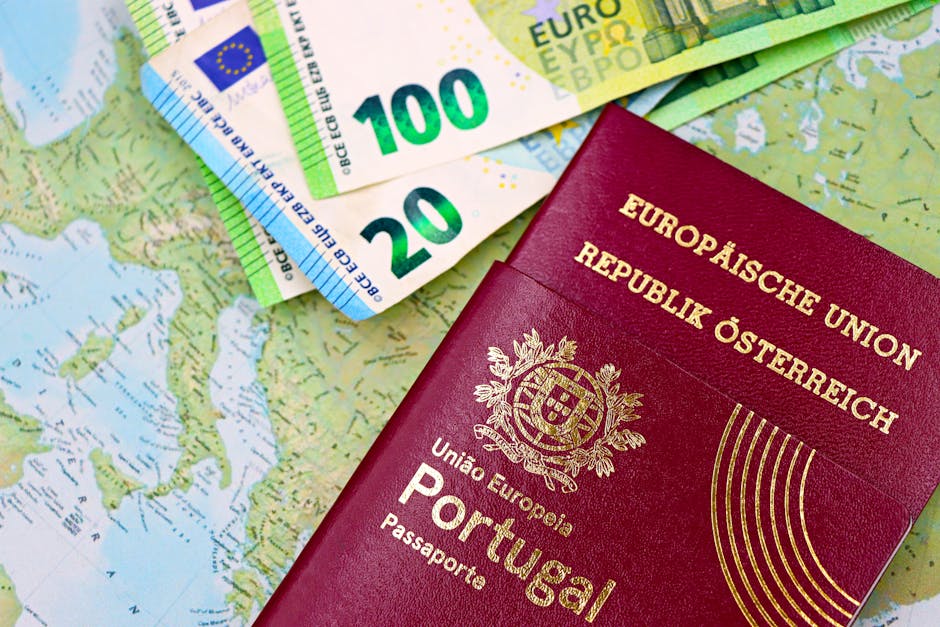
Schengen Visa Requirements: Documents, Fees, Rules, And What Officers Check
Applying for a Schengen visa is not just about collecting documents from a checklist.
A complete file can still look weak if your travel dates do not match, your bank statements are unclear, your itinerary feels unrealistic, or you apply through the wrong Schengen country.
For most short-stay applicants, a Schengen visa allows travel to the Schengen Area for up to 90 days within any 180-day period. It is commonly used for tourism, business trips, family visits, short events, and other temporary travel purposes.
This guide explains what documents you usually need, how much the visa costs, when to apply, what consular officers actually check, and which mistakes can make your application harder to assess.
If you are still preparing your file, start here first. Once the main requirements are clear, you can go deeper into supporting documents like your itinerary, cover letter, visa photo, accommodation proof, and bank statements.
What Is A Schengen Visa?
A Schengen visa is a short-stay visa that allows eligible non-EU travelers to visit countries in the Schengen Area for a temporary trip.
It is usually used for:
Tourism
Business Trips
Family Or Friend Visits
Short Courses Or Events
Medical Visits
Airport Transit, If Required
A standard short-stay Schengen visa does not allow you to work, move permanently, or stay longer than the permitted period. If your real purpose is employment, long-term study, relocation, or staying beyond 90 days, you may need a national visa or another visa route instead.
How Long Can You Stay With A Schengen Visa?
Most short-stay Schengen visas follow the 90/180 rule.
This means you can stay in the Schengen Area for up to 90 days within any rolling 180-day period. The 90 days do not reset just because you leave and re-enter. Every day spent in the Schengen Area counts toward the limit.
For example, if you spend 30 days in France, 20 days in Italy, and 10 days in Spain within the same 180-day window, that counts as 60 Schengen days.
Before planning a longer trip or repeat visit, always check your remaining days carefully. Overstaying can affect future Schengen visa applications.
Who Needs A Schengen Visa?
You may need a Schengen visa if:
Your Passport Nationality Requires A Short-Stay Visa
You Are Visiting The Schengen Area For Up To 90 Days
You Are Traveling For Tourism, Business, Family Visit, Or Another Short-Stay Purpose
You Are Not Covered By A Visa-Free Arrangement
You Are Not Applying For A Long-Stay Or National Visa
Visa rules depend on your nationality, residence country, destination, and purpose of travel. If you are not sure whether you need a visa, check the official website of the Schengen country you plan to visit before booking non-refundable travel.
Where Should You Apply For A Schengen Visa?
You should apply through the Schengen country that is responsible for your trip.
Use this order:
If You Visit One Schengen Country, Apply Through That Country
If You Visit Several Countries, Apply Through The Country Where You Spend The Most Time
If You Spend Equal Time In Several Countries, Apply Through The First Schengen Country You Enter
This matters because applying through the wrong country can weaken your application before your documents are even reviewed properly.
For example:
France 5 Days + Italy 3 Days → Apply Through France
Germany 4 Days + Austria 4 Days → Apply Through Germany If Germany Is Your First Entry
Spain 2 Days + Portugal 6 Days → Apply Through Portugal
Do not choose an embassy only because it has easier appointments. Your application country should match your real trip. If your itinerary includes several countries, our guide on the Schengen main destination rule can help you understand which country should handle your application.
When Should You Apply?
You should apply early enough to avoid depending on a best-case timeline.
As a general rule, Schengen visa applications should be submitted no earlier than 6 months before travel and at least 15 days before the intended trip.
The normal processing time is usually 15 days, but it can take up to 45 days if the consulate needs additional checks or extra documents.
Apply earlier if:
You Are Traveling During Peak Season
Your Trip Has Several Countries
Your Documents Are Not Straightforward
You Have Previous Visa Refusals
You Are Sponsored By Someone Else
Your Income Is Irregular
You Need To Fix Missing Or Inconsistent Documents
If your travel date is close, do not build your plan around the hope of a very fast approval.
Schengen Visa Document Checklist
Most Schengen visa applicants need to prepare the documents below.
Exact requirements can vary by country, embassy, visa center, nationality, and trip purpose, so always check the official checklist for the country handling your application.
Completed And Signed Visa Application Form
Your visa application form should be complete, accurate, and signed where required.
Make sure the details match your passport, itinerary, hotel bookings, insurance, employment letter, and cover letter.
Pay attention to:
Full Name
Passport Number
Travel Dates
Main Destination
Number Of Entries Requested
Accommodation Details
Funding Details
Signature And Date
Even small inconsistencies can make the file look careless.
Valid Passport
Your passport should normally:
Be Valid For At Least 3 Months After You Leave The Schengen Area
Have Been Issued Within The Last 10 Years
Have Enough Blank Visa Pages
Be In Good Physical Condition
Match The Details Used In Your Application
Many applicants only check the expiry date, but issue date and blank pages matter too.
Recent Visa Photo
Your Schengen visa photo should follow the size, background, and quality rules required by the embassy or visa center handling your case.
Common photo problems include:
Wrong Size
Dark Or Patterned Background
Shadows On The Face
Old Photo
Heavy Editing Or Filters
Glasses Glare
Face Not Centered
If you are not sure whether your photo fits the required format, check our Schengen Visa Photo Requirements first. You can also use the Free Passport Photo Converter to resize your photo before submission.
Travel Medical Insurance
Travel medical insurance is usually mandatory for a Schengen visa.
Your policy should usually:
Cover The Full Travel Period
Cover The Entire Schengen Area
Include Emergency Medical Care
Include Hospitalization
Include Repatriation
Provide Minimum Coverage Of At Least €30,000
The insurance dates should match your trip. If your itinerary runs from May 1 to May 14, but your insurance only covers May 2 to May 13, that mismatch can weaken the application.
Proof Of Accommodation
You need to show where you will stay during the trip.
Depending on your case, this may include:
Hotel Booking
Airbnb Or Rental Reservation
Host Invitation Letter
Proof Of Host Address
Accommodation Confirmation For Each City Or Country
Your accommodation should match your itinerary, flight plan, insurance dates, and country of application. If your hotel bookings are not consistent with your travel route, read our guide on proof of accommodation for a Schengen visa before you submit.
Flight Reservation Or Travel Plan
A Schengen application usually needs a clear travel plan showing how you intend to enter and leave the Schengen Area.
This may include:
Flight Reservation
Round-Trip Booking
Travel Itinerary
Train Or Bus Plan Between Countries
Route Summary For Multi-Country Trips
In many cases, you do not need to buy a non-refundable flight before the visa is approved. What matters is that your travel plan is realistic, consistent, and matches your supporting documents.
If your route includes multiple cities or countries, use our Schengen visa itinerary sample and template to make the travel plan easier to review.
Proof Of Financial Means
Financial proof helps show that you can support yourself during the trip.
This may include:
Recent Bank Statements
Salary Slips
Employment Letter
Tax Documents
Business Registration
Invoices Or Contracts
Sponsorship Letter
Sponsor’s Financial Documents
Officers may not only look at the final balance. They may also check whether the account activity makes sense.
Common issues include:
Large Unexplained Deposits
Very Low Regular Balance
No Clear Income Pattern
Bank Statements Without Name Or Account Details
Sponsor Documents That Do Not Clearly Support The Trip
Trip Budget That Looks Too Expensive For The Applicant’s Profile
If your financial situation is not straightforward, our guide on Schengen visa bank statement requirements can help you understand what officers may look for.
Proof Of Employment, Study, Or Business Activity
This helps show your current situation and your reason to return after the trip.
Depending on your profile, you may need:
Employment Letter
Approved Leave Letter
No Objection Certificate
Student Enrollment Letter
Business Registration
Tax Records
Client Contracts
Invoices
Professional License
Company Documents
This section is especially important for first-time applicants and applicants with limited travel history.
Proof Of Travel Purpose
Your documents should clearly explain why you are traveling.
Examples:
Tourism: Itinerary, Hotel Bookings, Travel Plan
Business: Invitation Letter, Meeting Details, Company Letter
Family Or Friend Visit: Host Invitation, Proof Of Relationship, Host ID Or Residence Proof
Event: Registration Confirmation, Ticket, Event Invitation
Medical Visit: Appointment Confirmation, Medical Documents
A vague purpose of travel can make the application look weak even if the checklist is technically complete. If your situation needs extra explanation, a clear Schengen visa cover letter can help connect your documents into one story.
Proof That You Intend To Return
Schengen visa applications are not only checked for documents. They are also checked for return intention.
Return-tie evidence may include:
Job Letter
Approved Leave
School Enrollment
Business Ownership
Ongoing Contracts
Family Responsibilities
Property Or Lease Documents
Tax Records
Local Commitments
The goal is not to submit the thickest file. The goal is to make your situation easy to understand.
Biometrics
Most applicants need to provide fingerprints and a photo during submission, unless an exemption or previous biometric record applies.
Even if parts of the application start online, many applicants still need to attend a visa center or consulate appointment for biometrics and document submission.
How Much Does A Schengen Visa Cost?
The standard Schengen visa fee is usually:
€90 For Adults
€45 For Children Aged 6 To 12
Some applicants may pay a different fee or qualify for a waiver depending on nationality, category, or specific rules.
If you apply through a visa application center, there may also be a separate service fee. This is different from the government visa fee.
Always check the official consulate or visa center page before paying, because fees and payment methods can vary by location.
What Consular Officers Actually Check
A Schengen visa officer is not only checking whether each document exists.
They are checking whether the whole file makes sense.
Your Trip Purpose
The officer needs to understand why you are going, where you are going, and whether the documents support that purpose.
A tourism trip should have a realistic itinerary. A business trip should have a clear business reason. A family visit should have host documents that make sense.
Your Timeline
The dates across your documents should match.
Check the dates on:
Application Form
Flights
Hotels
Insurance
Leave Letter
Invitation Letter
Cover Letter
Itinerary
If one document says 10 days and another says 14 days, explain or correct the mismatch before submission.
Your Financial Logic
The officer may check whether your funds match the trip.
A strong financial section is not only about a high balance. It should show a believable source of funds, stable activity, and enough money for the planned stay.
Your Return Ties
The officer may check whether your work, study, business, family, or personal situation gives you a clear reason to return home after the trip.
This is why employment letters, leave approvals, enrollment letters, business proof, and local commitments can matter.
Your Main Destination
If your application country does not match your real itinerary, the file can look suspicious or be considered submitted to the wrong authority.
The country you apply through should match where you spend the most time or, if stays are equal, your first Schengen entry.
Your Overall Consistency
The strongest files usually tell one clear story.
Your itinerary, accommodation, funds, purpose, insurance, and return documents should support each other.
A complete but inconsistent file can still look risky.
Common Schengen Visa Mistakes To Avoid
Applying Through The Wrong Country
Do not apply through a country just because the appointment is easier. Apply through the country responsible for your actual trip.
Submitting Generic Documents
A generic file can look weak if it does not match your real travel purpose, profile, and itinerary.
Having Inconsistent Dates
Your flights, hotels, insurance, leave letter, and cover letter should all follow the same timeline.
Showing Weak Or Unclear Financial Proof
Bank statements should be readable, recent, and connected to your real income or sponsor arrangement.
Adding Large Unexplained Deposits
A sudden large deposit right before applying can raise questions if there is no clear source.
Ignoring Return-Tie Evidence
Do not assume the officer will automatically understand why you will return. Make it clear through documents.
Buying Non-Refundable Tickets Too Early
A reservation or travel plan may be enough in many cases. Avoid unnecessary financial risk unless the checklist specifically requires paid tickets.
Forgetting Embassy-Specific Requirements
Generic Schengen advice is useful, but the final checklist should come from the embassy, consulate, or visa center handling your application.
Schengen Visa Requirements By Applicant Profile
Employees
Usually prepare:
Employment Letter
Approved Leave Letter
Recent Payslips
Bank Statements
Tax Documents, If Relevant
Freelancers
Usually prepare:
Client Contracts
Invoices
Bank Statements
Tax Records
Portfolio Or Business Proof
Explanation Of Income Pattern, If Needed
Business Owners
Usually prepare:
Business Registration
Company Bank Statements
Personal Bank Statements
Tax Records
Business Profile
Proof Of Ongoing Operations
Students
Usually prepare:
Enrollment Letter
School Leave Approval
Sponsor Documents, If Sponsored
Parent Or Guardian Documents, If Applicable
Sponsored Applicants
Usually prepare:
Sponsor Letter
Sponsor Bank Statements
Sponsor ID Or Passport
Proof Of Relationship
Sponsor Employment Or Business Proof
Clear Explanation Of Who Pays For What
Family Or Friend Visit Applicants
Usually prepare:
Invitation Letter
Host ID Or Residence Permit
Host Address Proof
Proof Of Relationship
Accommodation Or Sponsorship Documents, If Relevant
Applicants With Previous Refusals
Usually prepare:
Previous Refusal Letter
Updated Documents
Clear Explanation Of What Changed
Stronger Evidence For The Previous Weak Points
Consistent Travel Purpose And Timeline
If your case involves a previous refusal, urgent timeline, sponsorship, irregular income, or a complicated itinerary, it may be worth speaking with a visa expert before submission. Visa Concierge can help review your documents and identify possible inconsistencies, but no service can guarantee a visa decision.
Final Pre-Submission Checklist
Before submitting your Schengen visa application, ask yourself:
Do My Travel Dates Match Across All Documents?
Did I Apply Through The Correct Country?
Does My Itinerary Match My Hotel Bookings?
Does My Insurance Cover The Full Trip?
Is My Financial Proof Clear And Recent?
Can The Officer Understand My Source Of Funds?
Is My Purpose Of Travel Easy To Understand?
Do I Have Enough Proof That I Will Return Home?
Did I Check The Embassy-Specific Checklist?
Are My Documents Organized In A Logical Order?
If the answer is no to any of these, fix the issue before submission.
FAQ
Is A Complete Checklist Enough For A Schengen Visa?
Not always. A complete checklist is only the starting point. Your documents also need to be consistent, credible, and relevant to your trip.
Do I Need To Buy A Flight Ticket Before Applying?
Not always. Many applicants use a reservation or travel plan instead of buying a non-refundable ticket before approval. Always follow the checklist for the country where you apply.
How Much Bank Balance Do I Need For A Schengen Visa?
There is no single amount that works for every applicant. It depends on your destination, trip length, accommodation, sponsorship, and profile.
What matters is that your funds are enough for the trip and your financial story looks credible.
Can Officers Check My Bank Transactions?
They may review your statements closely enough to understand your income pattern, balance, and recent activity. Large unexplained deposits or unclear account history can create questions.
Is Travel Insurance Mandatory?
For most Schengen visa applications, yes. The insurance should usually cover emergency medical care, hospitalization, and repatriation, with minimum coverage of at least €30,000.
Can I Apply Through A Country With Easier Appointments?
You should not choose your application country based only on appointment availability. You should apply through the country responsible for your trip, usually the main destination.
What If My Case Is Not Straightforward?
If your case involves previous refusal, irregular income, sponsorship, urgent travel, unclear documents, or a multi-country itinerary, consider getting a second review before submission.
You can compare similar situations in the Outbound Visa Forum or speak with a visa expert through Visa Concierge.
Sources
European Commission — Applying For A Schengen Visa
https://home-affairs.ec.europa.eu/policies/schengen/visa-policy/applying-schengen-visa_en
European Commission — EU Visa Policy
https://home-affairs.ec.europa.eu/policies/schengen/visa-policy_en
European Commission — Schengen Visa FAQ
https://home-affairs.ec.europa.eu/policies/schengen/visa-policy/frequently-asked-questions_en