Worried your visa might get rejected?
Try our free Visa Chance Checker — see your approval score and exact weaknesses before you submit.
Things To Buy In Japan: Best Souvenirs, Prices, And Shopping Tips

Things To Buy In Japan: Best Souvenirs, Prices, And Shopping Tips
Japan is one of the best countries for shopping because so many items are practical, beautifully packaged, and hard to find elsewhere. Whether you are visiting Tokyo, Osaka, Kyoto, Sapporo, Fukuoka, or smaller towns, you will probably find something worth bringing home.
The best things to buy in Japan are usually items that are unique, good quality, easy to pack, or cheaper than buying them abroad. This includes Japanese snacks, skincare, stationery, fashion basics, tea, ceramics, character goods, and small travel-friendly gadgets.
Prices can vary depending on the store, city, season, and tax-free eligibility. The price ranges below are practical estimates to help you budget before shopping. Always check the latest store price before buying, especially for branded snacks, skincare, fashion, and electronics.
If you are shopping in 2026, there is also one important tax-free update to know. For purchases made on or after 1 November 2026, Japan’s tax-free shopping system will shift to a refund method. Travellers will pay the tax-inclusive price first, then receive the amount equivalent to consumption tax after customs confirms the goods are being taken out of Japan.
If you are still checking travel documents before your trip, you can also use Outbound Visa’s Free Visa Tools to organize visa, passport, and entry-preparation steps.
1. Japanese Snacks And Sweets
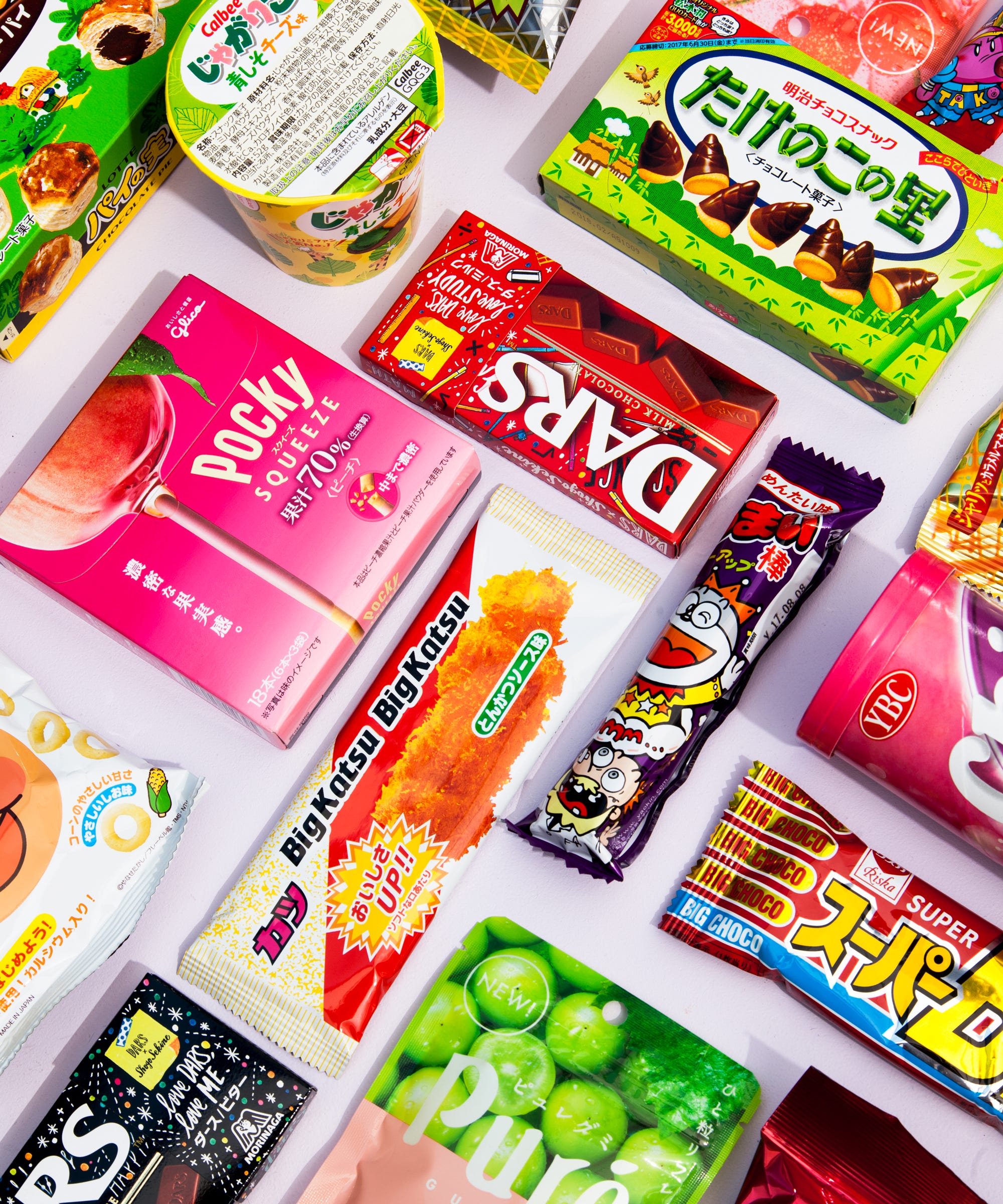
Estimated Price: ¥150–¥2,000+
Japanese snacks are one of the easiest things to buy in Japan because they are lightweight, affordable, and perfect as gifts. If you want easy souvenirs, choose individually wrapped snacks. They are easier to share, easier to pack, and usually look nicer as gifts.
Good options include:
Matcha KitKat
Tokyo Banana
Pocky limited flavors
Senbei rice crackers
Mochi sweets
Japanese gummies
Hokkaido milk snacks
Royce chocolate
Shiroi Koibito cookies
Regional ramen packs
For a more specific price example, Tokyo Banana’s official product page lists the original flavor at ¥691 for 4 pieces, ¥1,296 for 8 pieces, and ¥1,944 for 12 pieces.
Shopping tip: regional snacks usually make better souvenirs than generic airport snacks. For example, buy matcha sweets in Kyoto, Hokkaido milk snacks in Sapporo, or limited Tokyo editions from Tokyo Station.
Before bringing snacks home, check whether they contain meat, fresh ingredients, or restricted food items. Japan Customs explains that passengers should use the red channel if they have goods subject to duty or tax, or goods prohibited or restricted for import.
2. Japanese Skincare And Sunscreen
Estimated Price: ¥500–¥3,000+
Japan is a great place to buy skincare because many products are gentle, practical, and easy to use daily. Japanese drugstores also make beauty shopping very convenient because you can find skincare, sunscreen, sheet masks, hair care, and travel-size products in one place.
Popular items to look for:
Japanese sunscreen
Cleansing oil
Face wash
Sheet masks
Toner or lotion
Hand cream
Lip balm
Hair masks
Drugstore skincare sets
Japanese sunscreen is one of the most popular beauty items because the texture is often light, comfortable, and travel-friendly.
Be careful with supplements or medicine-like beauty products. If a product contains active ingredients or looks like medication, check your home country’s import rules before buying.
3. Stationery And Office Supplies

Estimated Price: ¥100–¥2,000+
Japan is famous for high-quality stationery. Even simple pens, notebooks, and sticky notes can feel better designed than what you usually find at home.
Things worth buying:
Gel pens
Highlighters
Mechanical pencils
Notebooks
Planners
Stickers
Washi tape
Letter sets
Desk organizers
Minimalist office tools
Good places to shop include Loft, Hands, Itoya, Muji, large bookstores, and stationery sections in department stores.
Stationery is one of the safest souvenirs because it is useful, light, affordable, and easy to pack.
4. Matcha, Tea, And Japanese Drinks
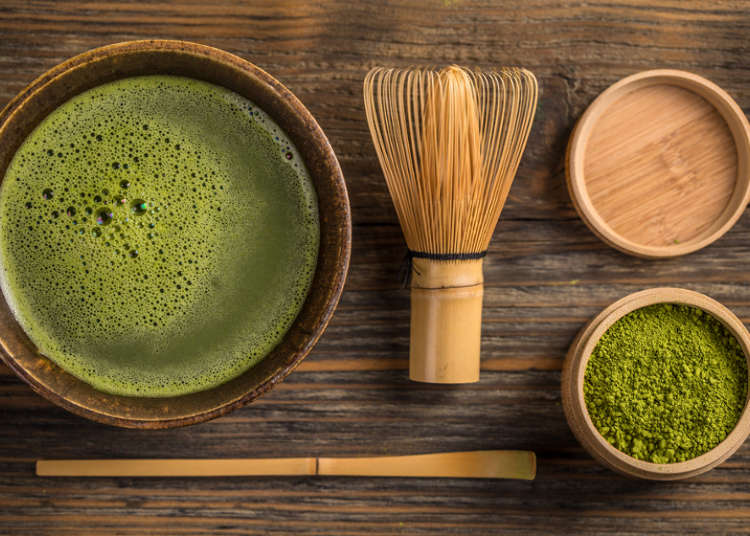
Estimated Price: ¥500–¥3,000+
If you like tea, Japan is one of the best places to buy it. Tea is practical, easy to pack, and feels more personal than a generic souvenir.
Good options include:
Matcha powder
Sencha
Hojicha
Genmaicha
Tea bags
Tea canisters
Matcha latte sachets
Regional tea products
Tea ceremony tools
Kyoto is especially popular for matcha, while many regions have their own tea specialties.
Tea is a good souvenir because it is easy to pack, useful, and feels more thoughtful as a gift. Choose sealed packaging if you plan to bring it home.
5. Japanese Ceramics And Tableware
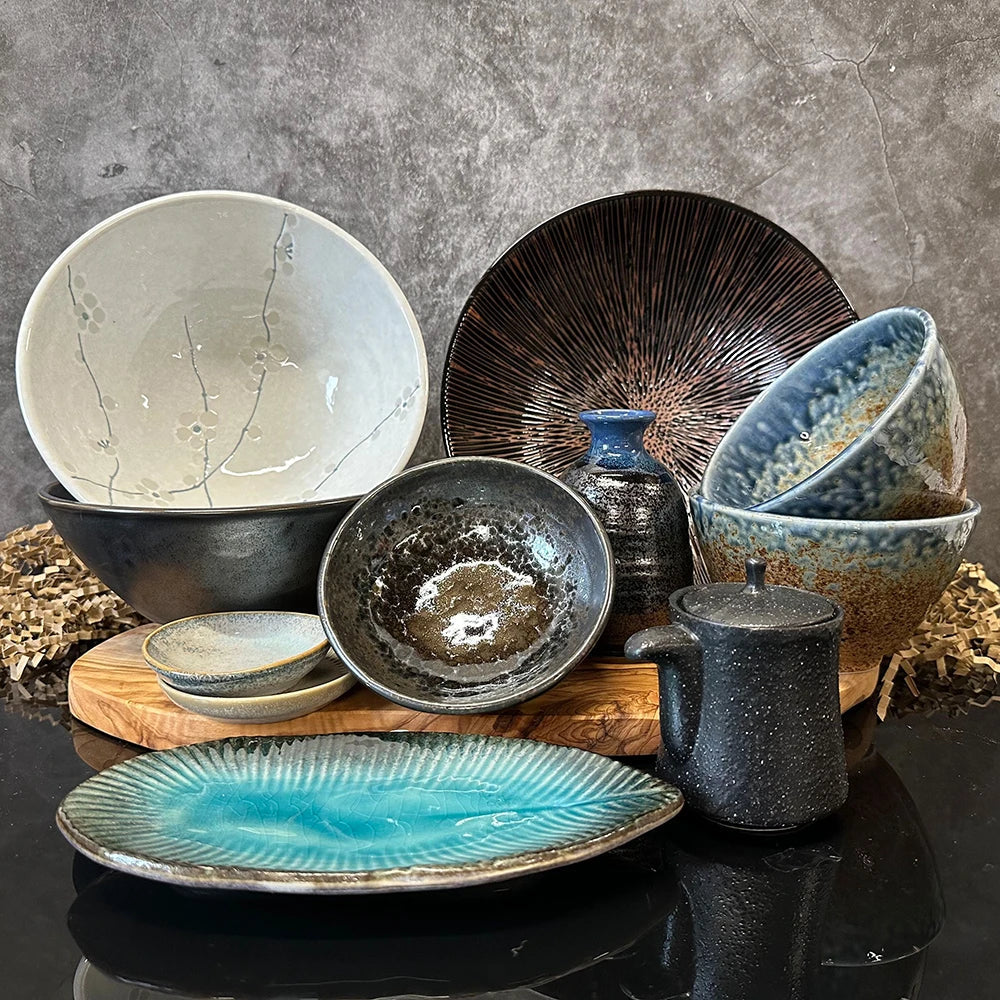
Estimated Price: ¥300–¥5,000+
Japanese ceramics are great if you want something more long-lasting than snacks. You can find affordable everyday tableware or more special handmade pieces depending on where you shop.
Items to consider:
Rice bowls
Tea cups
Small plates
Sauce dishes
Matcha bowls
Chopstick rests
Sake cups
Handmade mugs
Ceramic spoon rests
You can find affordable tableware in Daiso, Seria, Muji, and department stores. For something more special, look for local ceramics in Kyoto, Kanazawa, Arita, Mashiko, or regional craft markets.
Pack ceramics carefully in your carry-on if they are fragile. If you buy several pieces, ask the shop to wrap them properly.
6. Chopsticks And Kitchen Tools

Estimated Price: ¥300–¥3,000+
Japan has many practical kitchen items that make good souvenirs, especially if you like cooking or want something useful for home.
Good buys include:
Chopstick sets
Bento boxes
Kitchen cloths
Rice molds
Small plates
Wooden trays
Tea strainers
Kitchen scissors
Cute food picks
Japanese knives
Chopsticks, kitchen cloths, and bento boxes are easier gifts than knives because they are lighter and safer to pack.
If you buy Japanese knives, check airline baggage and destination-country rules before buying. Sharp objects should not go in carry-on baggage and may be restricted depending on where you are flying.
7. Fashion Basics From Uniqlo, GU, And Muji

Estimated Price: ¥790–¥5,000+
If you like simple everyday fashion, Japan is great for practical clothing. This is also useful if you underpacked or need weather-specific items during your trip.
Popular items include:
Uniqlo basics
GU clothing
Muji shirts
Heattech
Socks
Compact umbrellas
Tote bags
Rain jackets
Comfortable walking shoes
Innerwear and travel basics
Fashion basics are especially worth buying if the fit, color, or price is better than what you can get at home.
For colder months, Heattech and lightweight layers are especially useful. For rainy season, compact umbrellas and rain jackets are practical buys.
8. Anime, Character Goods, And Pop Culture Items
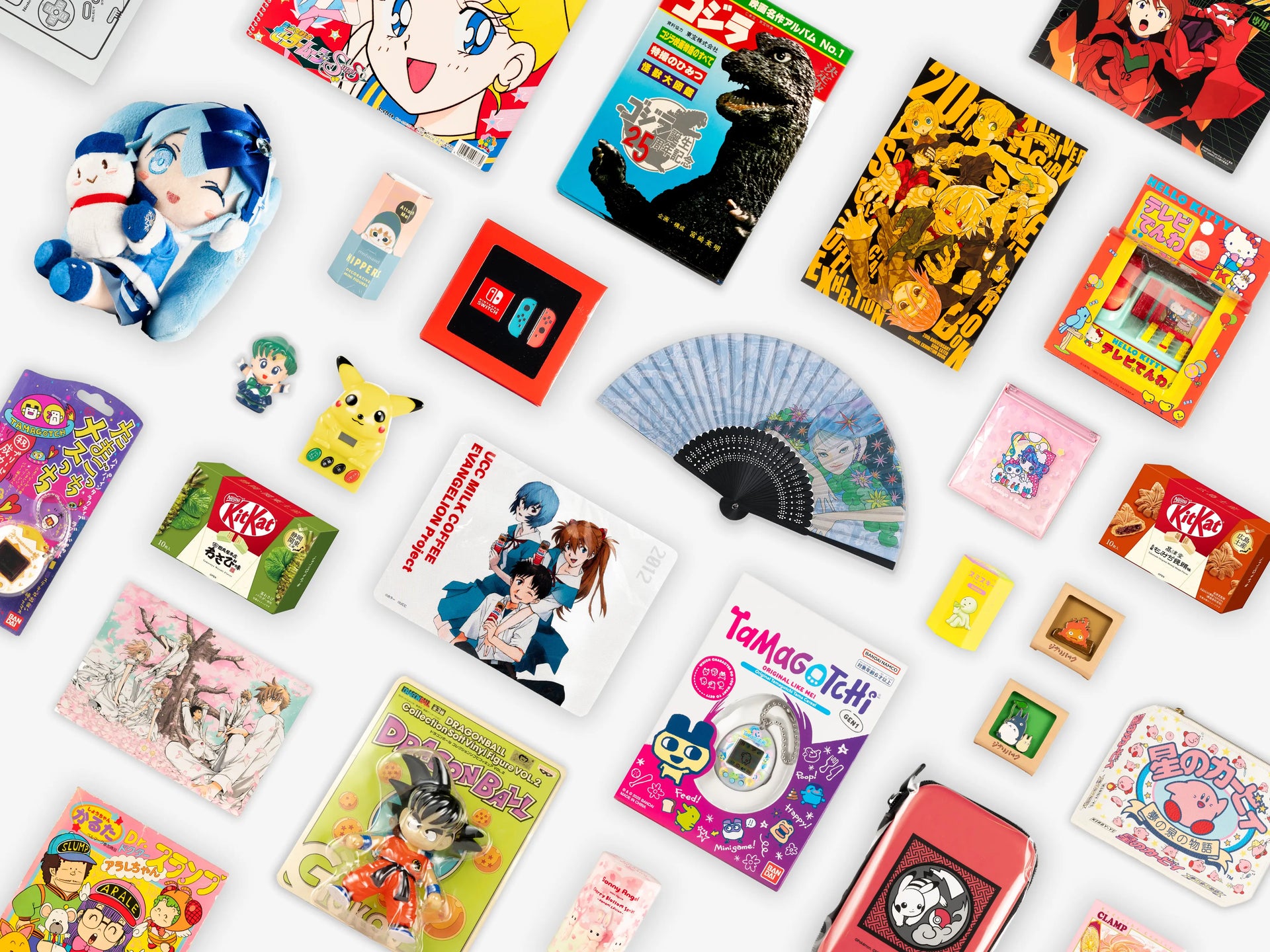
Estimated Price: ¥300–¥5,000+
Japan is one of the best places to buy anime, manga, and character goods. This category is also easy to personalize because you can choose items based on someone’s favorite character, game, or series.
Look for:
Gachapon toys
Keychains
Plush toys
Manga
Figurines
Character stationery
Themed snacks
Pokémon goods
Sanrio items
Studio Ghibli goods
If you want small gifts, gachapon, keychains, stickers, and mini plush toys are easy to pack and usually affordable.
Good places to shop include Akihabara, Ikebukuro, Nakano Broadway, Shibuya, Harajuku, Pokémon Center, Sanrio stores, and themed shops.
9. Electronics And Small Gadgets

Estimated Price: ¥500–¥20,000+
Japan is good for small electronics, especially if you like cameras, gaming, travel accessories, or phone accessories.
Things to consider:
Camera accessories
Headphones
Phone cases
Charging cables
Travel adapters
Beauty devices
Small gadgets
Gaming accessories
Portable fans
Digital accessories
Do not buy electronics only because they look cheaper. Make sure they will work in your country.
Before buying electronics, check:
Voltage compatibility
Plug type
Language settings
Warranty coverage
Whether the product works outside Japan
10. Traditional Japanese Souvenirs

Estimated Price: ¥300–¥5,000+
Traditional souvenirs are a good choice if you want something that feels more cultural and meaningful.
Good options include:
Furoshiki wrapping cloth
Tenugui towels
Folding fans
Incense
Lucky charms
Daruma dolls
Maneki-neko figures
Origami paper
Small craft items
Local handmade goods
If you want something meaningful, choose regional crafts instead of mass-produced souvenirs.
Museum shops, temple areas, artisan streets, and small local stores often have nicer souvenirs than big tourist shops.
11. Drugstore Finds

Estimated Price: ¥300–¥3,000+
Japanese drugstores are fun to browse because they sell beauty, health, travel, and daily-use items in one place.
Things travellers often buy:
Cooling sheets
Eye masks
Lip balm
Hand cream
Foot patches
Travel-size toiletries
Sunscreen
Sheet masks
Hair products
Personal care items
Be careful with medicine. Some products that are normal in one country may be restricted in another. Japan Customs lists narcotics, cannabis, stimulants, firearms, ammunition, explosives, and other controlled goods among prohibited items.
If you are buying medicine, supplements, or health products, check both Japan’s rules and your home country’s rules before carrying them across borders.
12. Bags, Pouches, And Travel Accessories
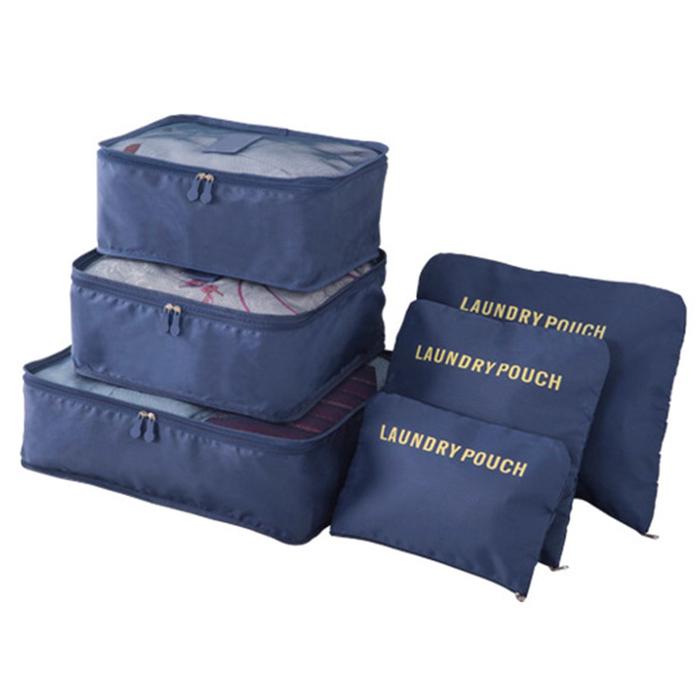
Estimated Price: ¥300–¥2,000+
Japan is excellent for small travel accessories that are practical and well-designed.
Good items include:
Coin purses
Toiletry pouches
Travel organizers
Foldable bags
Tote bags
Umbrella covers
Packing pouches
Passport cases
Makeup pouches
Small wallets
These items are useful because Japan is still a place where cash and coins can be common in some situations. A good coin purse or small organizer can actually help during the trip.
Travel accessories are great last-minute buys because they are affordable, light, and easy to use immediately.
How Much Should You Budget For Shopping In Japan?
Your shopping budget depends on your travel style, but here is a simple estimate:
Shopping Style | Estimated Budget |
|---|---|
Light Souvenir Shopping | ¥5,000–¥10,000 |
Snacks + Stationery + Small Gifts | ¥10,000–¥20,000 |
Snacks + Skincare + Souvenirs | ¥10,000–¥25,000 |
Beauty + Fashion + Souvenirs | ¥25,000–¥50,000 |
Electronics + Branded Items | ¥50,000+ |
Family Or Bulk Souvenir Shopping | ¥30,000–¥80,000+ |
For most tourists, ¥10,000–¥25,000 is a reasonable shopping budget for snacks, small souvenirs, skincare, and stationery. If you plan to buy Uniqlo, electronics, cosmetics, or gifts for many people, prepare more.
Tax-Free Shopping Tips In Japan
Tourists may be eligible for tax-free shopping in Japan at designated tax-free shops. Japan’s official tax-free shop guidance says eligible foreign tourists and Japanese temporary returnees may purchase items such as home appliances, watches, food, cosmetics, and other goods without paying consumption tax when they meet the tax-free requirements. Purchased items may need to be presented to customs at departure.
Before shopping tax-free, remember:
Bring your original passport
Shop at designated tax-free stores
Check the store’s tax-free process
Keep receipts and purchase records
Do not assume every product qualifies
Be ready to show goods at customs if required
For purchases made on or after 1 November 2026, Japan’s tax-free system will shift to a refund method. You will buy tax-free goods at tax-inclusive prices first, then receive the amount equivalent to consumption tax after customs inspection confirms the goods are being taken out of Japan.
If you are travelling in late 2026 or after, budget as if you may need to pay the full price first and receive the tax refund later.
What Not To Buy Without Checking Customs Rules
Japan has many great things to buy, but not everything is easy to bring home.
Be careful with:
Fresh food
Meat products
Plants or seeds
Certain medicines
CBD or cannabis-related products
Weapons or knives
Large quantities of the same item
High-value luxury goods
Items meant for resale
Just because something is sold in Japan does not mean you can bring it into your home country without restrictions.
Japan Customs explains that the red channel is for passengers who have goods subject to duty or tax, or goods prohibited or restricted for import. JNTO also warns that bringing meat, meat products, plants, and plant products into Japan is strictly prohibited or restricted under quarantine rules.
Best Places To Shop In Japan
Here are easy shopping areas for travellers:
Tokyo: Shibuya, Shinjuku, Ginza, Akihabara, Harajuku, Tokyo Station
Osaka: Shinsaibashi, Namba, Umeda, Dotonbori
Kyoto: Nishiki Market, Gion, Kyoto Station, traditional craft shops
Sapporo: Tanukikoji Shopping Street, Sapporo Station, department stores
Fukuoka: Tenjin, Hakata Station, Canal City
Airport: good for last-minute snacks, cosmetics, and regional gifts
For better souvenirs, buy regional items during the trip instead of waiting until the airport. Airport shops are convenient, but city shops usually give you more choice.
If you are also preparing travel documents before Japan, check Outbound Visa’s Free Visa Tools. For visa or entry-rule questions, you can compare traveller cases in the Outbound Visa Forum. For more complex travel or visa cases, Smart VisaAssist or Visa Concierge can help review what you need before travelling.
FAQ
What Is Worth Buying In Japan?
Japanese snacks, skincare, sunscreen, stationery, tea, ceramics, chopsticks, fashion basics, character goods, and small travel accessories are usually worth buying.
What Is The Best Cheap Souvenir From Japan?
Good affordable souvenirs include snacks, pens, stickers, washi tape, chopsticks, tenugui towels, and small character goods.
Is Tax-Free Shopping Available In Japan?
Yes, eligible tourists can shop tax-free at designated stores if they meet the requirements. For purchases made on or after 1 November 2026, Japan’s tax-free system will shift to a refund method after customs confirmation.
Should I Bring My Passport When Shopping In Japan?
Yes. Bring your original passport if you want to use tax-free shopping. A photo or copy may not be accepted.
Can I Buy Japanese Medicine And Bring It Home?
Maybe, but you should check your home country’s import rules first. Some medicines, supplements, and controlled ingredients may be restricted.
Are Japanese Snacks Allowed Through Customs?
Many packaged snacks are fine, but food rules depend on the destination country and ingredients. Be careful with meat, fresh food, plants, seeds, and animal products.
What Should I Buy At Don Quijote?
Popular Don Quijote buys include snacks, cosmetics, skincare, character goods, travel accessories, and small household items. Always compare prices if you are buying expensive items.
What Should I Buy In Kyoto?
Kyoto is good for matcha, tea, traditional sweets, ceramics, furoshiki cloth, incense, and craft souvenirs.
Bottom Line
The best things to buy in Japan are items that are useful, unique, easy to pack, and hard to find at home. Snacks, skincare, stationery, tea, ceramics, fashion basics, and character goods are all strong choices for travellers.
For most visitors, ¥10,000–¥25,000 is a good starting shopping budget for snacks, small souvenirs, skincare, and stationery. Prepare more if you plan to buy fashion, electronics, luxury goods, or gifts for many people.
If you plan to shop tax-free, bring your passport and check the latest rules. From 1 November 2026, Japan’s tax-free system changes to a refund method, so travellers may need to pay the tax-inclusive price first and receive the refund later after customs confirmation.
Sources
Japan Tourism Agency — Japan Tax-Free Shop
https://www.mlit.go.jp/kankocho/tax-free/page01_000113.html
Japan Tourism Agency — Tax-Free Shopping System Refund Method
https://www.mlit.go.jp/kankocho/tax-free/page01_000001_00028.html
Tokyo Banana — Original Flavor Product Page
https://www.tokyobanana.jp/language/en/products/28.html
Japan Customs — Procedures Of Passenger Clearance
https://www.customs.go.jp/english/summary/passenger.htm
Japan Customs — Goods With Prohibitions, Controls And Restrictions
https://www.customs.go.jp/english/summary/prohibit.htm
Japan National Tourism Organization — Customs & Duty
https://www.japan.travel/en/plan/customs-and-duty/