
Беспокоитесь, что вашу визу могут отклонить?
Попробуйте нашу бесплатную Проверку шансов на визу — узнайте свою оценку шансов на одобрение и точные слабые места до подачи.
Что визовые офицеры на самом деле проверяют при вашей первой шенгенской заявке
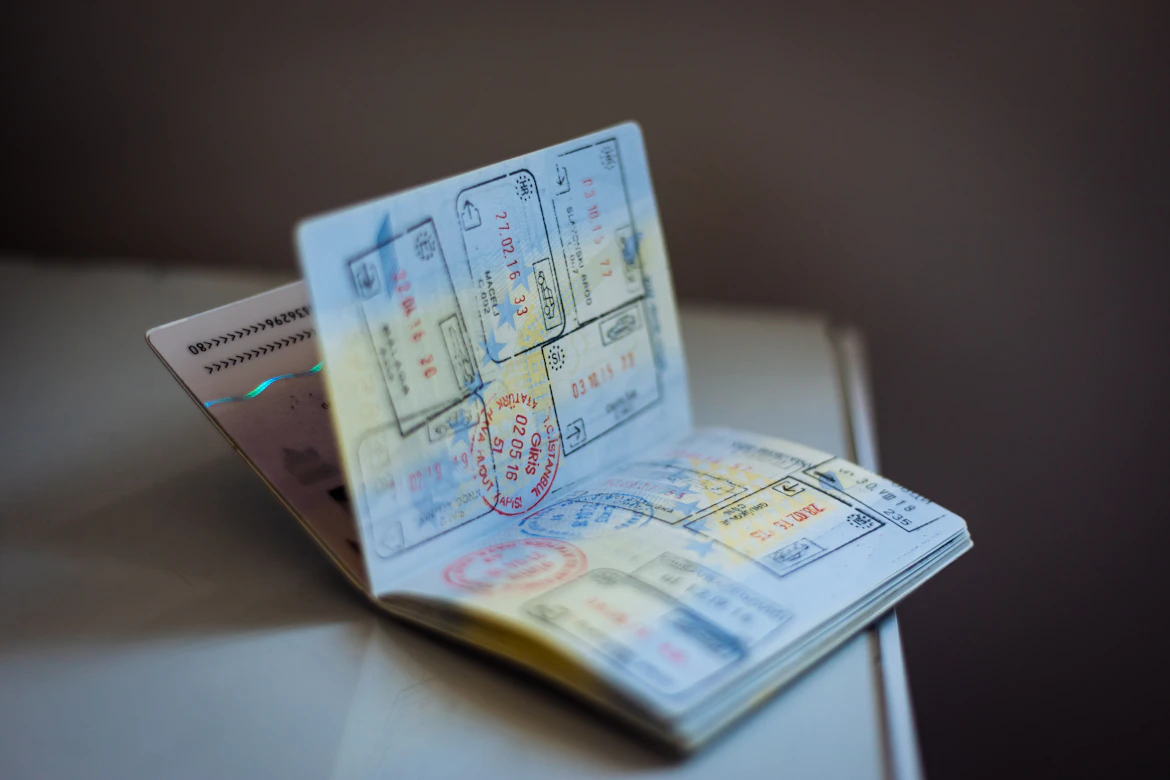
What Visa Officers Check On Your First Schengen Visa Application
For a first Schengen visa application, visa officers are usually not looking for a perfect travel history. They are checking whether your trip is clear, temporary, affordable, and supported by documents that make sense together.
A blank passport is not automatically a problem. What matters more is whether your application explains where you are going, why you are going, how you will pay for the trip, where you will stay, and why you are likely to return after the visit.
This guide explains what officers typically review before deciding a first Schengen visa application.
The Short Answer: What Matters Most?
Visa officers usually review your application as one complete file.
They may look at:
What They Check | Why It Matters |
|---|---|
Correct Schengen country | Your application should be submitted to the country responsible for your trip |
Travel purpose | Your reason for visiting should match your visa type and documents |
Itinerary and dates | Your route, hotel bookings, insurance, and leave dates should match |
Financial proof | Your funds should support the length and cost of your trip |
Home ties | Your documents should help explain why you will return |
Travel history | Helpful, but not always required |
Insurance | Schengen travel medical insurance must meet basic requirements |
Document consistency | Names, dates, purpose, and sponsor details should not conflict |
The goal is not to make your application look complicated. The goal is to make it easy to understand.
Is A Blank Passport A Problem For A Schengen Visa?
A blank passport is not automatically a problem.
Many first-time travelers apply for Schengen visas without previous visas or international travel history. Lack of travel history may mean the officer has fewer past travel records to review, but it does not automatically mean refusal.
If you have little or no travel history, focus on the parts you can control:
Clear travel purpose
Realistic itinerary
Consistent travel dates
Financial proof that supports the trip
Employment, school, business, or family ties
Accurate application form
Documents that match each other
A first-time applicant can still have a clear application if the file explains the trip well.
1. Whether You Applied Through The Correct Schengen Country
One of the first things to check is whether you are applying through the correct Schengen country.
According to the European Commission, if you are visiting one Schengen country, you should apply through that country. If you are visiting more than one Schengen country, you should apply through the country where you will spend the longest time. If the stays are equal, you should apply through the country of first entry.
For example:
Travel Plan | Where You May Need To Apply |
|---|---|
7 days in France only | France |
3 days in France, 5 days in Italy | Italy |
4 days in France, 4 days in Italy, entering France first | France may be responsible |
2 days in France, 6 days in Germany | Germany |
Do not choose an embassy only because it has earlier appointment slots.
If your itinerary shows that another country is your real main destination, your application may become harder to review.
2. Whether Your Travel Purpose Is Clear
Your travel purpose should be easy to understand.
For example:
Tourism
Visiting family or friends
Business meetings
Conference or event
Short training or study
Medical visit
Your visa type, itinerary, accommodation, invitation letter, financial documents, and cover letter should support the same purpose.
If you say you are visiting for tourism, your itinerary should look like a tourism trip. If you say you are visiting family, your invitation letter and relationship proof should support that.
Avoid vague explanations such as:
“I just want to explore Europe”
“I might visit several places”
“I will decide later”
“My friend will arrange everything”
A simple trip is fine. It just needs to be clear.
3. Whether Your Itinerary And Dates Match
Visa officers may check whether your travel dates make sense across all documents.
Review:
Application form
Flight reservation or travel plan
Hotel bookings
Travel insurance
Leave approval letter
Invitation letter, if applicable
Cover letter, if submitted
For example, if your form says you will travel from 10 June to 20 June, but your hotel booking only covers 10 June to 15 June, the officer may need clarification.
If your travel insurance starts after your arrival date, that can also create a problem.
For a more detailed itinerary structure, read Outbound’s Schengen visa itinerary sample.
4. Whether Your Financial Proof Supports The Trip
Visa officers do not only look at the final bank balance.
They may also look at whether your financial documents make sense for your trip.
Common things to review:
Regular income
Salary credits
Normal spending pattern
Current balance
Trip cost
Length of stay
Sponsor support, if applicable
Large recent deposits
Missing bank statement pages
A high balance is not always enough if the money appeared suddenly and is not explained.
If you received a large deposit, be ready to explain it with supporting documents if needed. If someone else is paying for your trip, the sponsor documents should clearly explain the relationship, reason for support, and financial ability.
Financial requirements can vary by Schengen country, applicant profile, and length of stay. Always check the official checklist for the country where you apply.
5. Whether Your Home Ties Are Clear
For a first Schengen application, home ties can be important because the officer needs to understand why your trip is temporary.
Home ties can include:
Employment
Business ownership
School or university enrollment
Family responsibilities
Property
Long-term financial commitments
Approved leave from work
A clear reason to return after the trip
This does not mean every applicant must own property or have a long travel history.
It means your documents should help explain your current life outside the Schengen Area.
For example, an employed applicant may submit an employment letter and approved leave letter. A student may submit enrollment proof. A business owner may submit business registration and recent business activity documents.
For more examples, read Outbound’s strong ties to home country guide.
6. Whether Your Documents Are Consistent
A first Schengen application should not feel like a pile of unrelated documents.
It should tell one clear story.
Check that these details match:
Detail | Where To Check |
|---|---|
Name spelling | Passport, form, bookings, insurance |
Passport number | Form, insurance, bookings |
Travel dates | Form, itinerary, accommodation, insurance |
Main destination | Itinerary, hotel nights, application country |
Sponsor details | Sponsor letter, bank statement, relationship proof |
Employment details | Form, employment letter, leave approval |
Travel purpose | Form, itinerary, invitation, cover letter |
Small mistakes can create unnecessary questions.
Before submitting, read your file from the officer’s point of view: would the trip make sense without you explaining it in person?
7. Whether Your Travel Insurance Meets Schengen Requirements
Schengen travel medical insurance is a basic requirement for most short-stay Schengen visa applications.
According to the European Commission, insurance should cover emergency medical care, hospitalisation, and repatriation, including in the event of death.
Your policy should also be valid for the Schengen area and your travel period.
Before submitting, check:
Coverage area
Coverage amount
Travel dates
Applicant name
Emergency medical care
Hospitalisation
Repatriation
For a detailed breakdown, read Outbound’s Schengen visa travel insurance requirements.
8. Whether Biometrics Are Needed
If this is your first Schengen visa application, you may need to appear in person to provide biometric data.
The European Commission says fingerprints are collected when applicants submit a Schengen visa application, with exemptions for some categories.
In practice, first-time applicants should be prepared to attend the visa appointment in person, unless the official visa centre or consulate says otherwise.
If you already gave Schengen fingerprints before, you may be able to reuse them in some cases. But rules and local procedures can vary, so always check the official visa centre page.
For more detail, read Outbound’s Schengen visa biometrics guide.
What About Digital Schengen Visas?
You may see online discussions saying Schengen visas are becoming fully digital.
This is partly true, but the transition is not immediate.
The European Commission says the digital visa will replace the visa sticker in the future, but the new rules will take several years to implement. The future EU visa application platform is expected to start operating around 2030, subject to implementation.
So for now, applicants should not assume that all Schengen visas are fully digital or that physical passport submission is no longer needed.
Always check the current process for the country where you are applying.
How Early Should First-Time Applicants Apply?
The European Commission says Schengen visa applications must be submitted at least 15 days before the intended journey and no earlier than 6 months before the trip.
However, the 15-day rule is the minimum filing timeline. It is not always a comfortable planning buffer.
First-time applicants should prepare earlier because:
Appointment slots may be limited
Documents may need time to collect
Employers or schools may take time to issue letters
Bank statements may need to cover the requested period
The consulate may ask for more documents
Processing can be extended in some cases
The European Commission says the normal processing time is 15 days, but it may be extended up to 45 days if more detailed examination or additional documents are needed.
If your trip is important, prepare early and avoid booking non-refundable plans before checking appointment availability and visa timelines.
First Schengen Application Checklist
Before submitting your first Schengen visa application, check:
Am I applying through the correct Schengen country?
Is my travel purpose clear?
Do my travel dates match across all documents?
Does my itinerary match my hotel bookings?
Does my insurance cover the right dates and Schengen area?
Do my bank statements support the trip cost?
Are large deposits explained if needed?
If I have a sponsor, is the sponsor support clear?
Do my employment, school, business, or family documents show ties outside Schengen?
Are my name and passport details consistent?
Have I checked the official checklist for my application country?
Do I understand what to bring to the appointment?
This checklist is not a replacement for the official embassy or visa centre checklist. Use it as a final consistency review.
Common First-Time Applicant Mistakes
Applying Through The Wrong Country
Do not choose a consulate only because it has an easier appointment.
Your application country should match your travel plan.
Treating A Blank Passport As The Main Problem
No travel history can matter, but it is not the only factor.
A clear file with strong consistency can still be easier to understand than a messy file with many travel stamps.
Showing Money Without Context
A large bank balance is less helpful if the source is unclear.
Regular income and explainable funds usually make the financial picture clearer.
Submitting A Generic Cover Letter
A cover letter should explain your actual trip, not repeat a template.
If your situation is simple, keep it simple. If your finances, sponsor, or itinerary are more complex, explain them clearly.
You can read Outbound’s Schengen visa cover letter guide if you need help structuring it.
Ignoring Official Country-Specific Instructions
Schengen rules are shared, but application procedures can vary by country and visa centre.
Always check the official embassy, consulate, VFS, TLScontact, BLS, or relevant visa centre page before submitting.
Where Outbound Can Help
Outbound can help you review your visa profile before applying.
You can use Outbound’s Free Visa Chance Checker to check areas that may affect your application, such as:
Travel purpose
Financial proof
Sponsor details
Travel history
Previous refusals
Home ties
Document consistency
This can be useful for first-time Schengen applicants who are unsure whether their profile looks clear enough before booking an appointment.
Outbound can also help you identify which parts of your application may need clearer explanation, especially if your finances, travel history, sponsor documents, or home ties are not straightforward.
FAQ
Is A Blank Passport A Problem For A First Schengen Visa?
A blank passport is not automatically a problem. It may mean you have fewer past travel records, but officers also review your purpose of travel, funds, home ties, itinerary, and document consistency.
Can I Get A Schengen Visa With No Travel History?
Yes, it is possible to apply for a Schengen visa with no travel history. Your application should clearly show why you are traveling, how you will pay, where you will stay, and why you will return after the trip.
What Do Visa Officers Check On A First Schengen Application?
They usually review whether you applied through the correct country, whether your travel purpose is clear, whether your dates and documents match, whether your funds support the trip, and whether your ties outside Schengen are clear.
Is Strong Travel History Required For A Schengen Visa?
Strong travel history can help, but it is not always required. First-time applicants should focus on clear documents, realistic plans, financial proof, and home ties.
How Do I Prove I Will Return Home?
You can support this through documents such as employment letters, approved leave, school enrollment, business documents, family responsibilities, property documents, or other commitments outside the Schengen Area.
How Much Money Do I Need For A Schengen Visa?
Financial expectations can vary by Schengen country, trip length, accommodation, and applicant profile. Check the official requirement for the country where you apply. Your financial documents should support your planned trip cost.
Do First-Time Schengen Applicants Need Biometrics?
Many first-time applicants need to appear in person to provide fingerprints and a photo. Some exemptions exist, so check the official visa centre or consulate instructions.
When Should I Apply For My First Schengen Visa?
The European Commission says you must apply at least 15 days before your intended journey and no earlier than 6 months before the trip. Because appointment and processing times can vary, first-time applicants should prepare earlier where possible.
Before You Submit Your First Schengen Application
Before submitting, do one final review.
Ask yourself:
Is my trip easy to understand?
Do my documents match each other?
Did I apply through the correct country?
Are my finances clear?
Are my home ties supported?
Did I follow the official checklist?
Would the file make sense to someone who does not know me?
A first Schengen visa application does not need to be perfect. It needs to be clear, complete, and consistent.
Sources
European Commission — Applying For A Schengen Visa
https://home-affairs.ec.europa.eu/policies/schengen/visa-policy/applying-schengen-visa_enEuropean Commission — Visa Policy
https://home-affairs.ec.europa.eu/policies/schengen/visa-policy_enEuropean Commission — Everything You Need To Know On The Schengen Visa Digitalisation
https://home-affairs.ec.europa.eu/news/everything-you-need-know-schengen-visa-digitalisation-2023-12-01_enEUR-Lex — Regulation (EC) No 810/2009 Establishing The Community Code On Visas
https://eur-lex.europa.eu/legal-content/EN/ALL/?uri=celex%3A32009R0810Outbound Visa — Free Visa Chance Checker
https://www.outboundvisa.com/en/visa-chance-checkerOutbound Visa — Schengen Visa Requirements Guide
https://www.outboundvisa.com/en/blog/schengen-visa-requirements-2025Outbound Visa — Schengen 90 In 180 Day Rule Guide
https://www.outboundvisa.com/en/blog/schengen-visa-ruleOutbound Visa — Schengen Visa Itinerary Sample
https://www.outboundvisa.com/en/blog/essential-visa-travel-itinerary-rules-2026Outbound Visa — Schengen Visa Travel Insurance Requirements
https://www.outboundvisa.com/en/blog/schengen-visa-travel-insurance-requirementsOutbound Visa — Schengen Visa Biometrics Guide
https://www.outboundvisa.com/en/blog/schengen-visa-biometrics-validityOutbound Visa — Strong Ties To Home Country Guide
https://www.outboundvisa.com/en/blog/prove-strong-ties-home-country-schengen-visa
